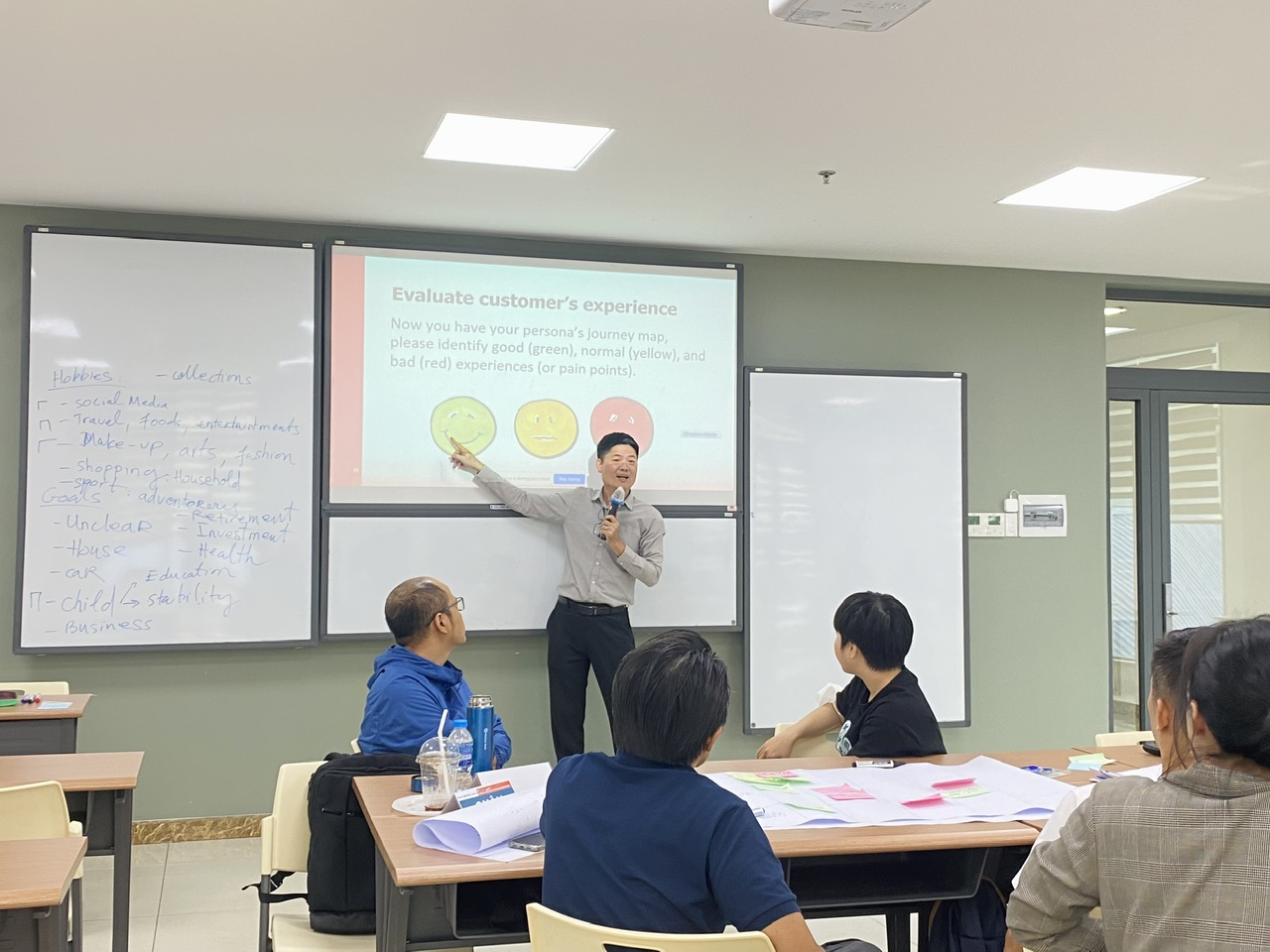
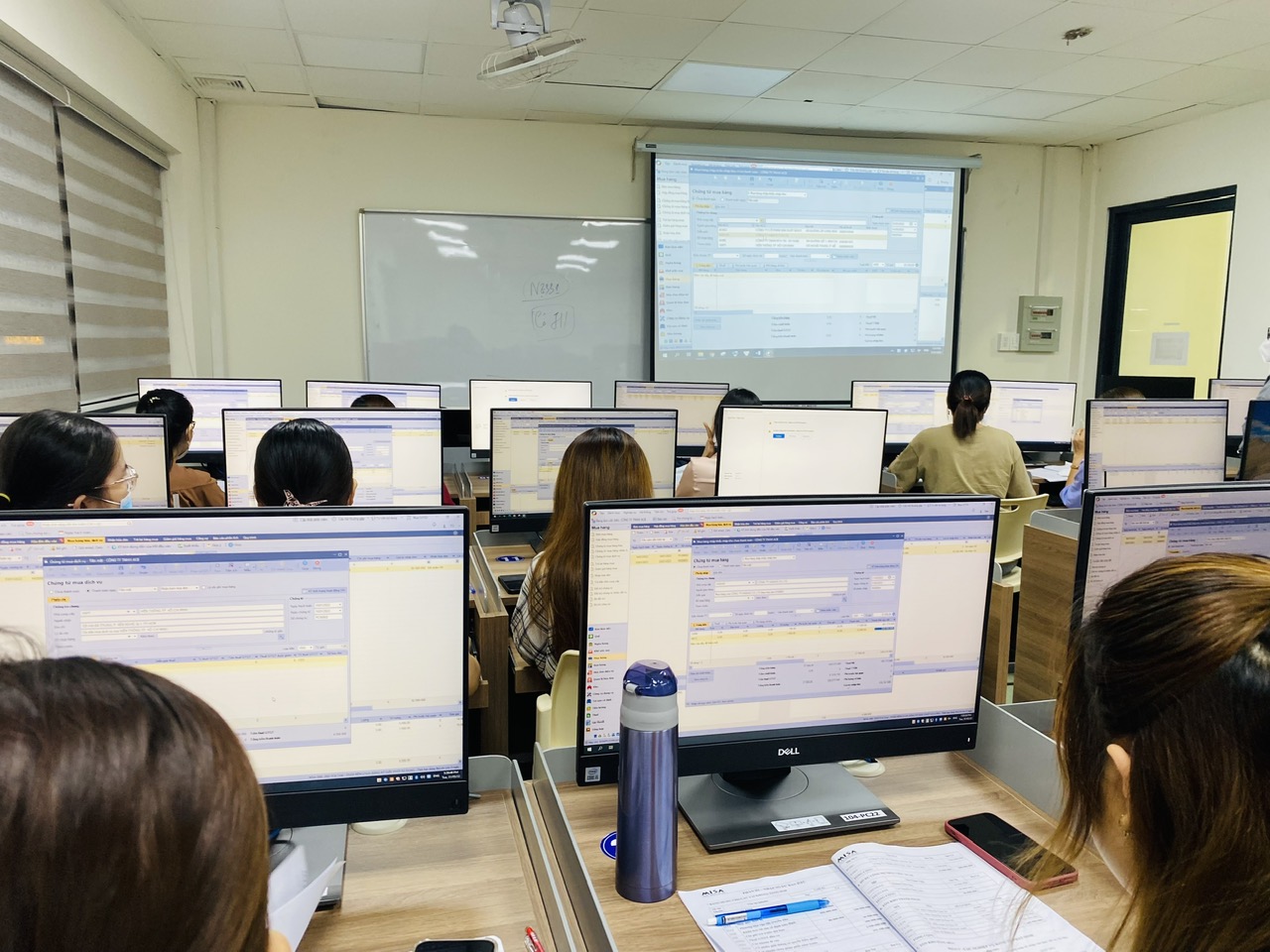
This program is designed to empower participants with the following essential expertise and professional competencies:
Financial Stewardship: Comprehend corporate financial structures and maintain strategic control over the organization’s financial health and cash flow dynamics.
Advanced Financial Analytics: Apply sophisticated techniques in financial statement analysis to drive data-informed decision-making.
Management Accounting Excellence: Utilize specialized management accounting methodologies to effectively control revenue, optimize costs, and manage operational working capital.
Strategic Tax Planning: Master fundamental taxation principles and tax reporting frameworks to develop proactive tax strategies while ensuring rigorous legal compliance.
Tax Risk Assessment: Critically evaluate and identify potential corporate tax risks to safeguard the organization’s reputation and financial integrity.
| No. | MODULES | Duration (Sessions) |
| 1 | Financial Reporting Literacy, Analysis, and Cash Flow Control | 2 |
| 1. Understanding key financial indicators tailored to specific industry characteristics. | ||
| 2. Analyzing the business environment and corporate strategies as drivers of financial performance. | ||
| 3. Corporate financial performance analysis: | ||
| • Reviewing core financial ratios: Liquidity, solvency, operational efficiency, and profitability. | ||
| • In-depth profitability analysis: The correlation between profit leverage, financial leverage, and operating debt leverage. | ||
| • Identifying types of financial risks. | ||
| 4. Quantitative and qualitative models for financial distress and crisis forecasting. | ||
| 5. Practical application of “Red Flag” analytical techniques for financial risk detection. | ||
| 2 | Taxation Essentials for Management | 2 |
| 1. Value Added Tax (VAT) and tax return verification methodologies. | ||
| 2. Corporate Income Tax (CIT) and critical pitfalls to avoid in tax declaration. | ||
| 3. Controlling deductible tax expenses regarding: | ||
| • Cost of Goods Sold (COGS). | ||
| • Personnel and payroll expenses. | ||
| • Fixed asset depreciation. | ||
| • Tools and supplies expenses. | ||
| • Legitimate deductible expenses often overlooked by businesses. | ||
| 4. Fundamental Personal Income Tax (PIT) knowledge and practical workplace applications. | ||
| 3 | Management Accounting for Revenue, Expenses, and Operating Working Capital | 2 |
| 1. Revenue Management Accounting: | ||
| • Pricing strategies, with an emphasis on service-based business models. | ||
| • Designing sales commission policies based on volume/revenue. | ||
| • Revenue and profit analysis by product/service line. | ||
| 2. Expense Management Accounting: | ||
| • Cost classification for strategic decision-making. | ||
| • Managing Cost of Goods Sold (COGS). | ||
| • Supplier-related cost management. | ||
| • Customer-related cost management. | ||
| • Outsourced service cost management. | ||
| 3. Operating Working Capital Management: | ||
| • Managing operating and financing cash flows. | ||
| • Management of inventory, accounts receivable, and accounts payable. | ||
| • Long-term operating asset management. | ||
| 4. Strategic decision-making case studies in an uncertain business environment. | ||
| TOTAL SESSIONS | 6 |
Quý Doanh nghiệp vui lòng liên hệ với ThS. Trần Anh Đức – 0932 877 833 để được tư vấn chi tiết về khóa học và gửi bảng báo giá khóa học.
Nội dung chương trình học ở đây chỉ mang tính tham khảo. Nội dung chương trình học sẽ được linh hoạt điều chỉnh về nội dung cũng như thời lượng số buổi học theo nhu cầu riêng của từng doanh nghiệp.
Ngày khai giảng: theo yêu cầu
Lịch học: linh động
Thời lượng: 6 sessions